Page 9 of 15

New Ways of Working in Web Design Agencies

In the project-based world of a design agency, it can be difficult to work in ways that are easy to implement, easy to track and easy for everyone to be a part of. Workloads vary and methods of dealing with them are highly changeable depending on the agency and its staff. It is essential to adapt to changing markets and to make processes as agile as possible. This will inevitably involve the implementation of new ways of working on a regular basis.

It might be easiest to consult others when establishing the best ways of working. It’s always highly valuable to get the opinions of people without inside knowledge of your business and the way it operates. Working for an organisation for a long time can lead to you becoming set in your ways. Fresh opinions and ideas are an excellent resource to draw upon.

That being said, you will need to have plenty of input yourself. Try to look at how things are happening and make lists of areas that need to be improved upon. Next, you can begin brainstorming ideas for how to change them. It’s difficult to be self-critical, but it needs to happen in order for it to improve.

Getting new processes up and running can be time consuming, but don’t let that put you off. It will be better in the long run. The key to making this process a success is communication. Ensure that everybody knows what is happening, even if it won’t be immediately relevant to them – they should still have the opportunity to come up with ideas and to feel included. Soon, it will become second nature to everyone and you will be able to run your agency business more smoothly and more collaboratively.
 

Why is Product Rendering so Important?

Rendering tools can create highly realistic product images long before the product has actually been produced. They can show products with an amazing level of detail, making them look as though they actually exist and have been photographed to capture a high-resolution image. It’s an incredibly important step for designers and product developers.

The process itself involves using software to create an image from a model. It applies visual effects to make the image look finished – these can include shading and texture mapping, as well as adding in reflections and motion blurs.

Rendering has helped many of the product design processes to grow and evolve. Usually, rendering will be used at several different times during the creation of a design. It is especially beneficial at the beginning, as it allows designers to properly communicate their vision. If the client wants to make changes, it will be easy for them to point out where they want the amendments to be made, preventing mistakes and allowing for simple, clear communication.

It’s also useful as a sales tool for designers. It allows them to show the client something visually appealing, something that really has the ability to sell a concept. Whilst this has made a designer’s job much easier in terms of communication, it can also serve to make the field more competitive, as designers have to come up with ideas that their clients truly buy into from the off.

Typography – Why is it So Important?

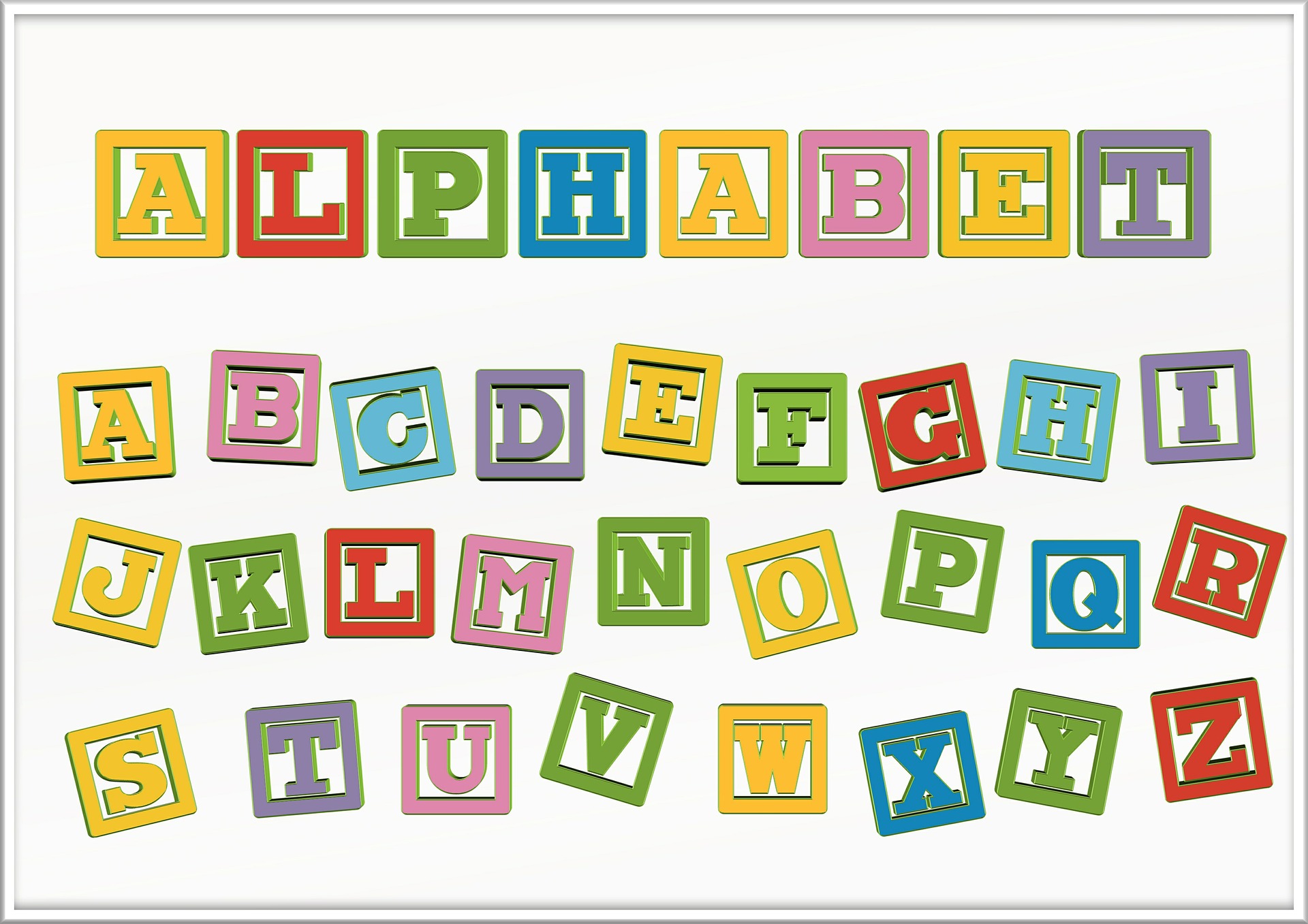
Typography is essential in web design. It’s the method by which you deliver your message, making sure that the words which describe your product look right for your brand too. When typography works, it makes your website stand out. Here are some points to consider.

Choosing the right font will govern how your reader feels. A lot can be done with text presentation – you can emphasise the parts which need to excite people, you can give the text a fun feel or you can make it look vintage and nostalgic. Consider how you want your audience to react and let this inform your decision.

The font which you use is all over your website. It makes it look consistent, professional and well branded. Therefore, it has to be right. Don’t just think about individual messages, think about your brand as a whole.

Font says a lot about tone of voice. For example, you are likely going to use a very different font for a website about children’s parties to one explaining mathematical formulas. One has to be energetic and engaging, one has to be serious and informative. Set the tone with the font you choose.

Creating an Identity Through Brand Designs

Brand identity is an important part of your brand’s existence. It’s integral to your business’s success that you address the issue of brand identity early on in your career. All brands will have an identity, and if you don’t work to create one yourself, it could develop naturally. And it might not be quite what you were going for.

Spend some time thinking about how you want people to perceive your brand. Do you want to be fun and quirky? Or serious and business-like? Should there be any humour?

Once you’ve decided on this, think about how you’re going to convey it. The image you’re projecting should feed into all aspects of your brand design work, from your logo and your website to your advertising campaigns. Therefore, it’s very important that it’s something which you’ve decided on from the very beginning. It is probably worth having these discussions in consultation with the people who will be doing your design work so as to establish how they’re able to work with your ideas.

Designing a User-Friendly Website

When going through the process of designing a new website, you need to ensure that it will be as user-friendly as possible. The aim of your website is to engage with your audience, and if people aren’t able to make easy use of all its features and find their way around, they’re far more likely to leave. Here are some tips for creating a positive user experience which should be taken into account during the website design process:

  1. Prioritise navigation. People need to know how to find their way around your site – if they find it too difficult, they won’t persevere.
  2. Use good copy. People need to be able to understand your message easily. As an added bonus, if the text is appealing and engaging, you have an excellent opportunity to hold someone’s attention.
  3. Make it clear who you are. Put your logo somewhere prominent, usually the top left-hand corner as this is where people’s eyes will first be drawn.
  4. Get the technology right. Make your site as up-to-date as you can – technology changes all the time and you don’t want it to start looking old-fashioned within a few months.
  5. Use calls to action and interactive designs to draw your potential customers in. If they’re fully involved with your site, they’re more likely to respond to it.